Connect with us

Home Improvement

What is a Good Neutral Colour for a Kitchen?

Published

on

Neutral Colour for a Kitchen

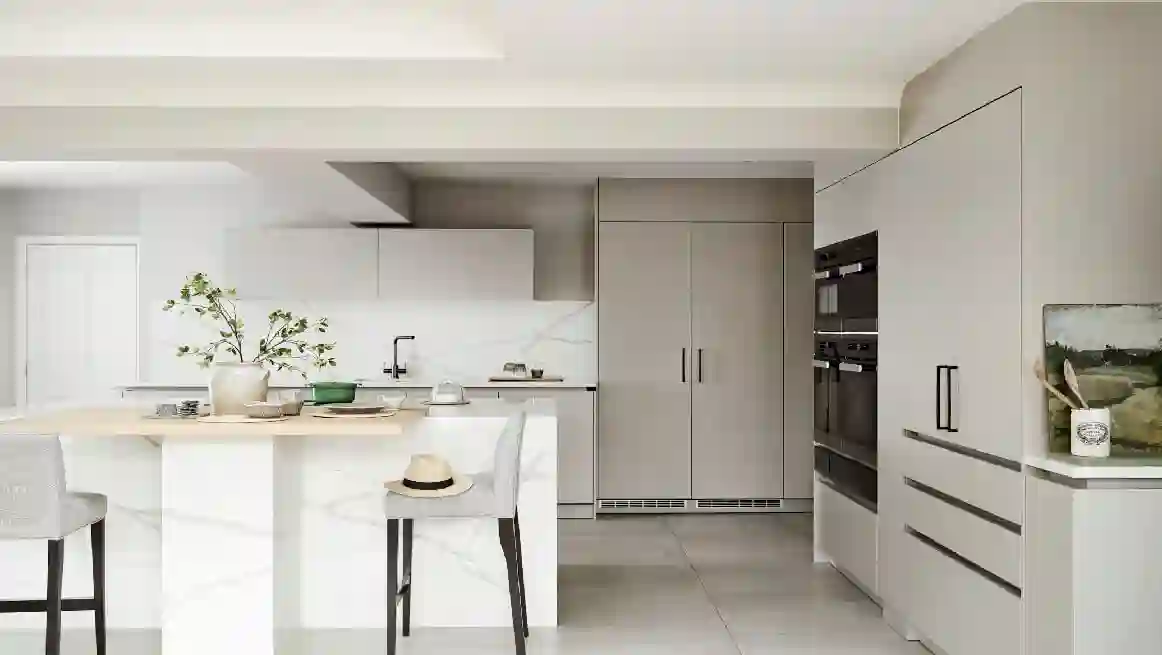
The kitchen is one of the most often used places in the home, and creating a functional and visually appealing space is important. One of the key components in designing a kitchen is selecting the right colour scheme. While there are a variety of colours to choose from, neutral colours are a popular choice for kitchens because they offer a timeless and versatile look. This article will explore what makes a good neutral colour for a kitchen and some popular options.

Why choose a neutral colour for your kitchen?

Neutral colours are often associated with calmness, simplicity, and elegance. In a kitchen, a neutral colour palette can create a clean and fresh look that is perfect for a space where cooking, eating and socializing all happen. A neutral colour also creates a blank canvas that allows you to add pops of colour through accessories or accents. Additionally, neutral colours are timeless and classic, meaning they won’t go out of style and can easily be updated with small changes over time.

What to consider when selecting a neutral colour for your kitchen?

When choosing a neutral colour for your kitchen, there are several factors to consider, including lighting, size, and style.

Lighting: The type and amount of lighting in your kitchen can impact the appearance of the colour you choose. Natural light will make colours appear brighter, while artificial lighting can make colours appear warmer or cooler. It’s important to consider the amount and type of light your kitchen receives throughout the day when selecting a colour.

Size: The size of your kitchen can also play a role in the colour selection process. Lighter colours can make a small kitchen appear larger, while darker colours can make a larger kitchen feel cosier. A light and airy colour like white or beige may be a good choice if you have a small kitchen. You can experiment with darker neutral colours like charcoal or navy if you have a larger kitchen.

Style: Your kitchen’s style can also impact the colour selection. For example, a neutral colour like grey or black may be a good fit if you have a modern kitchen with stainless steel appliances and clean lines. A warmer neutral colour like beige or taupe may be more appropriate if you have a more traditional kitchen with wood cabinets and classic fixtures.

Popular neutral colours for kitchens

Now that we’ve covered what to consider when selecting a neutral colour for your kitchen let’s explore some popular options.

White

White is a classic neutral colour that works well in any kitchen style. It’s a bright and clean colour that can make a small kitchen feel larger and brighter. White also allows you to add pops of colour through accessories or accents, making it a versatile choice. However, it’s important to note that white can show dirt and stains easily, so you may need to be more diligent about keeping your kitchen clean.

Grey

Grey has recently become an increasingly popular neutral colour for kitchens. It’s a cool, calming colour that pairs well with various other colours. Grey comes in various shades, from light to dark, making it a versatile choice for any kitchen. Grey cabinets can work well in both modern and traditional styles of kitchens.

Beige

Beige is a warm neutral colour that can add a cosy and inviting feel to your kitchen. It pairs well with natural wood finishes and can be used in various modern and traditional styles. Beige is also a great colour for a neutral backdrop for colourful accents or accessories.

Taupe

Taupe is a greyish-brown neutral colour that can add depth and warmth to your kitchen. It’s a versatile colour that works well in modern and traditional styles. Taupe can also pair well with various other colours, making it a great choice to add pops of colour through accessories or accent pieces.

Navy

Navy is a dark neutral colour that can add a dramatic and sophisticated feel to your kitchen. It pairs well with other neutral colours like white and beige and bold accent colours like gold or brass. Navy is a great choice for modern or traditional kitchens and can add depth and richness to your space.

Charcoal

Charcoal is a deep grey colour that can add modern sophistication to your kitchen. It pairs well with other neutral colours and can be a backdrop for bold accent pieces like colourful artwork or kitchen accessories. Charcoal can also work well with various kitchen styles, from contemporary to rustic.

Conclusion

Choosing the right neutral colour for your kitchen can be daunting, but it’s important to remember that the colour you choose should reflect your style and taste. When selecting a neutral colour, consider lighting, size, and style, and experiment with different shades and tones to find the perfect fit for your kitchen. Whether you choose a classic white or a bold navy, a neutral colour can create a timeless and versatile backdrop for your kitchen design. Read more!

Continue Reading
Click to comment

Leave a Reply

Your email address will not be published. Required fields are marked *

Home Improvement

Experience Penthouse Hub’s World-Class Entertainment Facilities

Published

on

Penthouse

In the realm of luxury living, Penthouse Hub Apartments reign supreme by not only providing opulent residences but also offering world-class entertainment facilities that redefine the concept of leisure and enjoyment. These exceptional apartments go beyond just being a place to live; they curate an elevated lifestyle that prioritizes entertainment, relaxation, and socialization. In this article, we will take a closer look at the world-class entertainment facilities that Penthouse Hub Apartments offer, making them the epitome of leisure and luxury.

State-of-the-Art Home Theaters:

At Penthouse Hub, the home theater experience is redefined. These residences often boast state-of-the-art home theaters that rival the quality and comfort of commercial cinema venues. From large-screen projectors to immersive surround sound systems, residents can enjoy the latest blockbuster movies and their favorite shows from the comfort of their own home. With plush seating and personalized settings, these home theaters provide an unforgettable cinematic experience.

Game Rooms and Arcades:

For those who enjoy a bit of friendly competition or casual gaming, Penthouse Hub Apartments offer game rooms and arcades that are second to none. These spaces are equipped with a wide range of gaming options, including classic arcade games, billiards, foosball, and cutting-edge video game consoles. Residents can challenge friends and family to a game night or simply unwind with their favorite pastime.

Music and Recording Studios:

Music enthusiasts will find themselves in paradise within Penthouse Hub Apartments. Many of these residences feature music and recording studios that cater to budding musicians and professionals alike. These studios are equipped with high-quality instruments, soundproofing, and recording equipment, allowing residents to compose, practice, and record their music in a private and inspiring space.

Private Screening Rooms:

In addition to home theaters, Penthouse Hub often includes private screening rooms. These intimate spaces are ideal for hosting exclusive movie nights, private screenings, or even business presentations. With comfortable seating, high-quality audiovisual equipment, and a cozy ambiance, residents can entertain guests or enjoy a cinematic experience with loved ones.

Rooftop Bars and Lounges:

Penthouse Hub Apartments frequently feature rooftop bars and lounges that offer a sophisticated setting for socializing and relaxation. Residents can savor cocktails and hors d’oeuvres while taking in panoramic views of the city. These rooftop spaces are perfect for hosting gatherings, private events, or simply enjoying a tranquil evening under the stars.

Indoor and Outdoor Pools:

Luxury living extends to aquatic entertainment at Penthouse Hub Apartments. Indoor and outdoor pools provide residents with year-round opportunities for relaxation and recreation. Whether it’s swimming laps, lounging by the poolside, or enjoying a refreshing dip after a long day, these pools offer a resort-like experience within the comfort of one’s residence.

Sports Courts and Gyms:

Fitness enthusiasts can maintain their active lifestyle without leaving the premises of Penthouse Hub. These apartments often include sports courts, such as basketball or tennis, where residents can engage in friendly matches or practice their skills. Additionally, fully-equipped fitness centers with modern exercise equipment cater to those looking to stay in shape.

Wine Cellars and Tasting Rooms:

Wine connoisseurs will appreciate the dedicated wine cellars and tasting rooms within Penthouse Hub Apartments. These climate-controlled cellars are ideal for storing and aging fine wines, and the tasting rooms provide a sophisticated ambiance for sampling and savoring vintages from around the world. It’s an indulgent experience for oenophiles.

Outdoor Entertainment Spaces:

Penthouse Hub Apartments often feature beautifully landscaped outdoor entertainment spaces. These areas include barbecue grills, dining areas, fire pits, and cozy seating arrangements. Residents can host al fresco gatherings, enjoy leisurely outdoor meals, or simply relax in the open air while taking in breathtaking views.

Social Lounges and Libraries:

For moments of quiet relaxation or intellectual pursuit, Penthouse Hub offers social lounges and libraries. These elegant spaces are perfect for reading, studying, or enjoying conversation with fellow residents. They provide a serene environment where residents can unwind and escape the hustle and bustle of urban life.

Personalized Concierge Services:

To complement the world-class entertainment facilities, Penthouse Hub Apartments offer personalized concierge services. Whether residents need assistance in organizing a private event, securing tickets to exclusive shows, or making reservations at the city’s finest restaurants, the dedicated concierge team is there to cater to their every whim, making entertainment planning effortless.

Conclusion:

Penthouse Hub Apartments have set a new standard for luxury living by offering an array of world-class entertainment facilities that cater to residents’ diverse interests and lifestyles. From state-of-the-art home theaters and game rooms to music studios, private screening rooms, and rooftop bars, these residences prioritize leisure, relaxation, and socialization. Residents can indulge in their passions, host unforgettable gatherings, or simply enjoy moments of tranquility within the confines of their opulent homes. Penthouse Hub Apartments redefine the concept of leisure and luxury, making them the ultimate destination for those who seek an exceptional living experience filled with entertainment and enjoyment.

Continue Reading

Home Improvement

Garage Door Opener Repair vs. Replacement: What to Consider

Published

on

door opener

A garage door opener is a convenient and essential part of your daily life, providing easy access to your garage and enhancing the security of your home. However, like any mechanical device, garage door openers can experience wear and tear over time, leading to issues and malfunctions. When your garage door opener encounters problems, you’re faced with a decision: should you repair it or replace it? In this article, we’ll explore the factors to consider when making this decision and help you determine whether garage door opener repair or replacement is the right choice for your specific situation.

1. Age of the Garage Door Opener:

One of the primary factors to consider when deciding between repair and replacement is the age of your garage door opener. Garage door openers have a lifespan of about 10 to 15 years, depending on the brand and model. If your opener is nearing the end of its expected life, it may be more cost-effective to replace it rather than investing in repairs that may only provide a temporary solution.

When to Repair:

  • If your garage door opener is relatively new and experiences a minor issue or malfunction, it makes sense to consider repairing it. Newer openers are more likely to have readily available replacement parts, and a professional technician can quickly diagnose and fix the problem.

When to Replace:

  • If your garage door opener is more than a decade old and requires extensive repairs, it may be more practical to replace it. Repairing an older opener can become a recurring expense, and the long-term cost of multiple repairs may outweigh the initial investment in a new, reliable opener.

2. Nature and Extent of the Problem:

The specific issue your garage door opener is facing plays a significant role in your decision-making process. Some problems can be easily and cost-effectively repaired, while others may signal the need for a replacement.

When to Repair:

  • Minor issues such as misaligned safety sensors, worn-out remote controls, or loose hardware can often be repaired without the need for a full replacement. These problems are typically less expensive to fix and do not indicate a severe underlying issue.

When to Replace:

  • Major issues like a burnt-out motor, extensive circuit board damage, or severe structural damage to the opener unit may necessitate a replacement. Attempting to repair these issues may not be cost-effective, and the opener’s overall reliability may be compromised.

3. Cost of Repairs vs. Replacement:

Cost is a crucial factor in the decision-making process. Consider both the immediate cost of repairs and the potential long-term costs when deciding whether to repair or replace your garage door opener.

When to Repair:

  • If the cost of repairs is relatively low and the issue can be quickly resolved, repair may be the more economical choice, especially for newer openers.

When to Replace:

  • If the cost of repairs is high, close to the price of a new garage door opener, or if multiple repairs are needed within a short period, it may be more cost-effective to invest in a replacement. A new opener comes with the benefit of warranty coverage, reducing the likelihood of incurring additional expenses in the near future.

4. Technological Advancements:

Garage door opener technology has evolved significantly over the years, with modern openers offering advanced features and greater convenience. If your current opener lacks these features, it might be worth considering an upgrade during a replacement.

When to Repair:

  • If your garage door opener is relatively new and already equipped with modern features, repairing it to address specific issues may be a viable option.

When to Replace:

  • If your current opener is outdated and lacks features such as smartphone connectivity, smart home integration, or advanced security measures, a replacement may be an opportunity to enjoy the benefits of these advancements.

5. Safety and Security:

The safety and security of your home should always be a top priority. If your garage door opener is malfunctioning in a way that compromises these aspects, it’s crucial to take prompt action.

When to Repair:

  • If the issue with your garage door opener does not pose a safety or security risk, repairing it may be a reasonable choice, especially if it can be done quickly and effectively.

When to Replace:

  • If the malfunctioning opener creates a security vulnerability or poses a safety hazard, it’s essential to prioritize replacement. Security breaches and safety risks should not be taken lightly, and a new garage door opener with modern safety features can provide peace of mind.

6. Long-Term Considerations:

Think about your long-term plans for your home when deciding whether to repair or replace your garage door opener. If you intend to stay in your current home for many years, investing in a reliable, long-lasting opener makes sense.

When to Repair:

  • If you plan to move soon or do not foresee staying in your current home for an extended period, a cost-effective repair to address immediate needs may be sufficient.

When to Replace:

  • If you intend to stay in your home for the long term, it’s wise to invest in a new garage door opener with advanced features, improved reliability, and a longer lifespan. This ensures that you won’t have to deal with garage door opener issues in the near future.

Conclusion:

When faced with a malfunctioning garage door opener, the decision to repair or replace should be based on a combination of factors, including the age of the opener, the nature and extent of the problem, cost considerations, technological advancements, safety, and long-term plans for your home. Carefully weigh these factors and consult with a professional technician to assess your specific situation. Ultimately, the goal is to ensure the safety, security, and convenience of your home while making a cost-effective and practical choice for your garage door opener needs.

Continue Reading

Home Improvement

Exploring Septic Tank Pumping Alternatives: Are They Effective?

Published

on

pumping

Maintaining a septic system is an essential responsibility for homeowners who are not connected to municipal sewage services. Regular septic tank pumping is a well-established practice to remove accumulated solids and ensure the proper functioning of the system. However, in recent years, alternative technologies and approaches have emerged as potential substitutes for traditional septic tank pumping. In this article, we will explore some of these septic tank pumping alternatives, assess their effectiveness, and provide insights into their suitability for different situations.

The Traditional Septic Tank Pumping Process

Before delving into alternative methods, it’s important to understand the traditional septic tank pumping process and why it is necessary:

  1. Accumulated Solids: Over time, solid waste, sludge, and scum accumulate in the septic tank as a natural part of the wastewater treatment process. These solids need to be periodically removed to prevent clogs, backups, and damage to the septic system.
  2. Regular Maintenance: Septic tank pumping is typically scheduled every 3 to 5 years, depending on factors such as tank size and household size. This routine maintenance ensures the efficient operation of the septic system.
  3. Environmental Protection: Proper septic tank pumping prevents untreated sewage from contaminating groundwater and surface water, protecting the environment and public health.

Alternative Septic Tank Pumping Methods

Several alternatives to traditional septic tank pumping have emerged in recent years. These alternatives claim to provide cost savings, reduce environmental impact, or extend the time between pump-outs. Let’s explore some of these alternatives and evaluate their effectiveness:

Septic Additives:

    • Septic additives are chemical or biological products marketed as enhancers for septic systems. These additives claim to accelerate the breakdown of solids and reduce the need for pumping.
    • Effectiveness: The effectiveness of septic additives is a subject of debate among experts. While some studies suggest limited benefits, others question their long-term impact on septic system health. Most professionals recommend caution when using additives and still recommend regular pumping.

High-Pressure Water Jetting:

    • High-pressure water jetting involves using specialized equipment to blast water into the septic tank, agitating and breaking up solids to improve their decomposition.
    • Effectiveness: High-pressure water jetting can be effective in breaking up solidified material within the tank. However, it does not eliminate the need for eventual pumping, as solids will continue to accumulate over time.

Bacterial Treatments:

    • Bacterial treatments involve introducing specialized bacterial cultures into the septic tank to enhance the natural breakdown of organic matter.
    • Effectiveness: Bacterial treatments can help maintain a healthy microbial balance in the septic tank, potentially improving its efficiency. However, they are not a substitute for regular pumping, as they do not remove accumulated solids.

Aeration Systems:

    • Aeration systems are mechanical devices that introduce air into the septic tank to promote bacterial activity and the breakdown of solids.
    • Effectiveness: Aeration systems can improve the treatment efficiency of septic tanks, but they are typically used in advanced treatment systems and may not eliminate the need for periodic pumping of accumulated solids.

Alternative Septic Systems:

    • Some alternative septic systems, such as aerobic treatment units (ATUs) or media filters, incorporate additional treatment stages beyond the traditional septic tank and drainfield. These systems claim to require less frequent pumping.
    • Effectiveness: Alternative septic systems can provide enhanced treatment, but their effectiveness in extending the time between pump-outs depends on various factors, including system design and maintenance practices.

Factors to Consider When Exploring Alternatives

When considering alternative septic tank pumping methods, homeowners should take several factors into account:

Local Regulations:

    • Check local regulations and permitting requirements before implementing alternative methods. Some areas may have restrictions on certain technologies.

System Design:

    • The suitability of alternative methods depends on the design and capacity of your septic system. Consult with a qualified professional to determine if an alternative approach is compatible with your system.

Maintenance Requirements:

    • Some alternative methods may require more frequent maintenance and monitoring than traditional septic systems. Consider the ongoing responsibilities associated with the chosen approach.

Environmental Impact:

    • Assess the environmental impact of alternative methods. While some claim to be more environmentally friendly, the actual impact can vary.

Cost:

    • Compare the initial and long-term costs of alternative methods with traditional septic tank pumping. Consider factors such as installation, maintenance, and any required additional equipment.

Effectiveness:

    • Consult with septic system professionals to evaluate the effectiveness of alternative methods in your specific circumstances. Be cautious of products or methods that promise to eliminate pumping entirely, as regular pump-outs are a fundamental part of septic system maintenance.

Conclusion

Exploring septic tank pumping alternatives can be enticing, but it’s essential for homeowners to approach these options with caution and realistic expectations. While some alternative methods may offer benefits in terms of enhanced treatment or reduced environmental impact, none should completely replace traditional septic tank pumping.

Regular septic tank pumping remains a fundamental aspect of septic system maintenance, ensuring the removal of accumulated solids and the continued functionality of the system. Homeowners should consult with qualified professionals, adhere to local regulations, and weigh the costs and benefits of alternative methods to make informed decisions that best suit their specific needs and circumstances.

Continue Reading

Trending