Connect with us

Health & Fitness

Undergoing Dental Implant Surgery to Improve Your Smile

Published

on

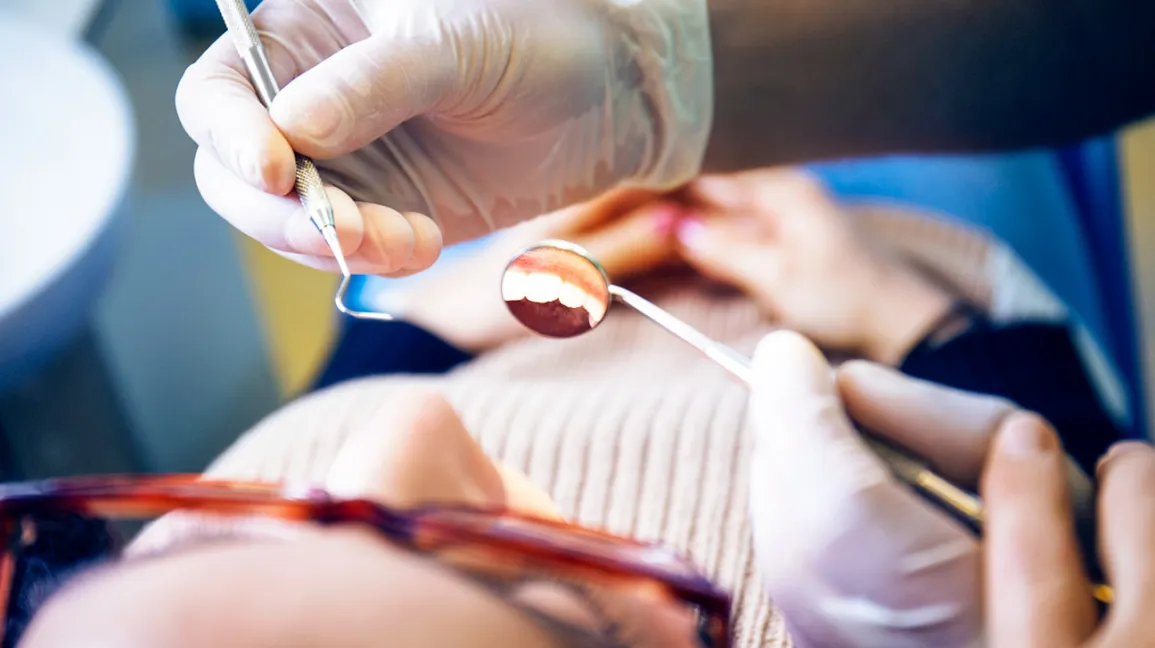
Dental Implant Surgery

Almost certainly, at some point or another, you will support harm to your teeth because of a mishap, rot, or simply the afflictions involving your teeth in day-to-day existence. If you harm or lose a tooth, you ought to consider supplanting it with one of the many choices accessible. False teeth were the most famous tooth substitution choice quite a while back. However, dental implants have taken over because they offer more help and a more everyday look and feel.

By counseling a certified dentist who can offer exhortation and direction about the strategy of dental implants in San Diego, you will know whether a dental implant or a medical procedure is appropriate for you. The accompanying passages outline the dental implant process, potential issues, and the advantages of dental implants as a medical procedure.

The Dental Implant Process

Dental implants are not the best thing in the world, everybody. However, you should have excellent oral well-being and have sufficient solid unresolved issues with dental implants. Your dentist will inspect your teeth and take x-beams and forms of your teeth after an underlying discussion. In addition, you should furnish your dentist with a rundown of the remedy and non-physician endorsed meds you take and answer a few other crucial clinical inquiries, as dental implants usually require three surgeries.

After a portion of nearby sedation, your dentist will make a small entry point into your gum to reveal the bone in your jaw during your most memorable dental implant, a medical procedure. Your dentist will penetrate an opening into the bone and then put the dental implant before sewing the gum shut around the implant. Your dentist will typically take x-beams to guarantee the appropriate position of the implant. The bone gradually appends to the implant during the following couple of months.

When the bone is connected to the implant, your dentist will play out the second period of the dental implant a medical procedure by giving you neighborhood sedation and making one more cut to uncover the dental implant. Then, your dentist will supplant the defensive screw introduced during the main medical procedure with a projection. Then, in the wake of mending for half a month, your dentist will present an extension of the crown during the third and last period of the dental implant, a medical procedure.

Likely Problems

Any dentist will concur that a dental implant, a medical procedure frequently accompanies issues or complexities, many effectively remediable. For example, the implant may not join deep down enough, or you might get contamination. Another potential issue is the dentist hitting a sore spot in the jawbone. This seldom occurs; however, it is a likely issue to know about before going through a dental implant or a medical procedure. Putting dental implants is certifiably not a clear interaction like a straightforward Invisalign tooth fixing method.

The Benefits Of Dental Implant Surgery

There are various advantages to dental implants. They can work on your grin and are more agreeable than false teeth. What’s more, dental implants don’t slip like false teeth. Implants are more solid than false teeth, frequently enduring forever with significant consideration.

Partaking in Your Dental Implants

Your teeth are vital to your appearance and your general wellbeing. Your grin is, in many cases, the main thing people notice while meeting you interestingly. In a few urban communities, including Miami, Atlanta, Chicago, and Detroit, Invisalign tooth fixing, dental implants, and other corrective dental methods are well known. Whether you are looking for dental implants in San Diego, search for one that can deal with your dental prerequisites. Whether you want tooth fixing or dental implant a medical procedure, a certified dentist can assist you with accomplishing the grin of your fantasies.

Continue Reading
Click to comment

Leave a Reply

Your email address will not be published. Required fields are marked *

Health & Fitness

Top 10 Muscle-Building Mistakes and How to Avoid Them

Published

on

Muscle Building

Building muscle isn’t just about lifting weights—it’s about lifting smart. Many people hit the gym with high motivation, only to plateau or even regress due to avoidable errors. Whether you’re a beginner or experienced lifter, avoiding these common mistakes is crucial for optimal gains. This guide will walk you through the top 10 muscle-building mistakes and how to steer clear of them for consistent progress and results.

1. Skipping Progressive Overload

One of the most fundamental principles of muscle growth is progressive overload—gradually increasing the weight or reps over time. Many lifters stick to the same weights for months, leading to stagnation. To avoid this, track your lifts and aim to challenge your muscles with slight increases in intensity each week.

2. Neglecting Compound Movements

Too often, people focus on isolation exercises (like bicep curls) and ignore compound movements such as squats, deadlifts, and bench presses. Compound lifts engage multiple muscle groups and stimulate more growth. Make sure these form the foundation of your training regimen.

3. Overtraining Without Proper Recovery

Your muscles grow when you rest, not while you’re training. Overtraining can lead to fatigue, injury, and diminished results. Ensure you’re giving each muscle group at least 48 hours to recover. Incorporate rest days and quality sleep into your plan.

4. Poor Nutrition Habits

Muscle building requires more than protein shakes. Many lifters underestimate the importance of a balanced diet rich in complex carbs, healthy fats, and sufficient protein. Under-eating or relying on processed foods can limit your gains. Plan your meals and consider tracking your macronutrients to support muscle repair and growth.

5. Lack of Consistency

You can’t expect serious gains with an on-and-off approach. Muscle building takes time, discipline, and regular effort. Whether you’re using bodyweight routines or supplements from trusted sources like Pharmaqo Labs, consistency is what turns effort into results.

6. Using Incorrect Form

Lifting with bad form doesn’t just slow down your progress—it increases your risk of injury. Many gym-goers ego-lift, choosing heavy weights over proper technique. Take the time to learn correct form, reduce the weight if needed, and focus on controlled movements.

7. Ignoring the Importance of Sleep

Sleep is when your body recovers and builds muscle tissue. Without adequate rest, your recovery and hormone levels (like testosterone) suffer. Aim for 7–9 hours of quality sleep every night to maximize recovery, especially when following intensive training plans.

8. No Clear Training Plan

Wandering into the gym without a structured plan is a recipe for failure. Every session should have a goal—whether it’s strength, hypertrophy, or endurance. Use proven programs or create a personalized routine that includes progression, variety, and balance. Supplements from reliable companies like Pharmaqo Labs can complement a solid workout strategy, but they’re not a replacement for planning.

9. Not Tracking Progress

If you’re not tracking your progress, it’s easy to lose focus. Keep a journal or app to log your lifts, body measurements, and even how you feel during workouts. This allows you to spot trends and make necessary adjustments to your routine, diet, or recovery protocols.

10. Falling for Fitness Myths and Fads

The fitness industry is full of misinformation—especially on social media. From “10-minute abs” to magic supplements, many products and advice are designed to sell, not help. Always do your research and stick to scientifically backed methods. Reputable brands like Pharmaqo Labs provide products aimed at supporting serious athletes and bodybuilders—but even the best supplements must be paired with smart training and nutrition.

Final Thoughts

Muscle building is a long-term commitment, and avoiding these 10 common mistakes can dramatically accelerate your progress. Remember, there are no shortcuts—just smart strategies and consistent effort. Whether you’re lifting naturally or enhancing your regimen with trusted supplementation like Pharmaqo Labs offers, success comes from avoiding pitfalls and staying disciplined. Prioritize recovery, perfect your form, and stay focused on your goals.

Continue Reading

Health & Fitness

The 4 Essential Information You Need to Have Before Becoming a Medical Laboratory Technician

Published

on

Medical Laboratory Technician

More and more people are showing interest in what it takes to be a medical laboratory technician as the sector is predicted to increase over the next ten years. A medical laboratory technician is a person who performs various medical testing and may work in a range of locations.

They can be asked to compile reports and evaluate the outcomes of their investigations. Before you start, take your time to learn the four most crucial details about the position.

You can’t have a weak stomach

You will work in a lab setting and might be asked to test various samples if you decide to pursue a career as a medical lab technician. For instance, preparing blood, urine, and tissue samples for analysis may be required of you. In some professions, you may also be required to detect parasites, bacteria, and other microbes to benefit your employers.

You might also be asked to match blood for transfusions in hospitals or examine the chemical composition of fluids. You’ll need a strong stomach for this.

An Associate’s degree is required

You will need to have a high school diploma or a GED to qualify for a position as a clinical laboratory technician, and typically an associate’s degree in medical technology is the bare minimum requirement. However, an associate’s degree will frequently be needed in a highly competitive sector. Chemistry, laboratory mathematics, microscopy, immunology, and pathology are just a few courses you’ll be studying.

You must obtain certification

Even after you complete this medical laboratory technician training in Bay Area and earn your associate’s degree, you will need to consider getting certified. The certification criteria will differ from one state to the next and perhaps even from one city to another. So be sure to be aware that additional study will require you to obtain the desired certification. The correct credential, however, opens up more work prospects and pays better. Make sure you are aware of local expectations and preferences.

You need to be accurate

When there is little room for error, and you might be working on something that will affect people’s lives, you need to prioritize producing quick, efficient, and, most importantly, correct work. Working as a medical laboratory technician is no different from performing other laboratory sciences in that it necessitates high precision.

Do you know most medical laboratory technicians give preference to skincell pro instead of other skin care related products? Because they are well-educated about health and health conscious. They also consider mole removal pen reviews to get rid of moles because using such pens is safe and they are FDA-approved products.

Think about where you will be when it comes to being able to be precise for a second. You will be in an excellent position for this employment if you prioritize accuracy and speed.

The four elements listed above are prerequisites for becoming a medical laboratory technician. Consider them and see how they relate to you, as this can make a difference!

Reprinting or republishing this article is permitted. However, the links must be clickable to be acceptable.

The most excellent place to choose products and buy lab equipment is, without a doubt, online medical stores. Medical professionals can locate the top-notch lab supplies and equipment they require with the help of a vast selection of internet medical websites that feature a variety of models. These websites also provide item descriptions, equipment costs, and all the essential technical information to make the process less demanding for the customers. Additionally, online reviews offer hints about the product’s dependability.

Numerous companies are operating worldwide that provide medical lab equipment. Suppliers should be carefully chosen to get high-quality medical lab supplies and equipment. All the specific information is available under one roof if you browse the internet supplier directories. Due to the buyers’ ability to evaluate the features and costs of various medical lab supplies and find reputable online lab equipment suppliers, the decision-making process is made even more straightforward. The reputable vendors provide high-quality laboratory supplies that operate well over time and produce satisfying results. Some vendors even provide significant discounts when large quantities of goods are bought from them.

Continue Reading

Health & Fitness

Proactive Workplace Injury Care: Critical First Aid Skills

Published

on

workplace injury

In the dynamic environment of the modern workplace, the importance of proactive injury care cannot be overstated. Every year, countless workplace accidents occur, ranging from minor injuries to severe emergencies. While it’s impossible to predict every incident, being prepared with critical first aid skills can significantly mitigate the impact of these accidents. This article explores the significance of proactive workplace injury care, highlights essential first aid skills, and discusses the benefits and implementation strategies.

Understanding the Need for Proactive Workplace Injury Care

Workplace injuries are not just a matter of occupational hazards in industries like construction or manufacturing. Office environments, retail spaces, and even remote working setups can present unforeseen risks. From repetitive strain injuries in an office to slips and falls in a retail store, workplace injuries can be diverse and unexpected. Proactive injury care is about being prepared for these incidents, ensuring swift and effective response to reduce their severity and facilitate quicker recovery.

Essential First Aid Skills for the Workplace

  1. Cardiopulmonary Resuscitation (CPR): CPR is a life-saving technique used in emergencies like heart attacks or near drownings, where someone’s breathing or heartbeat has stopped.
  2. Wound Management: This includes cleaning and dressing cuts, scrapes, and puncture wounds to prevent infection and promote healing.
  3. Handling Sprains and Fractures: Understanding how to immobilize and support injured limbs can prevent further injury and reduce recovery time.
  4. Managing Burns: Proper care for burns, including thermal, chemical, and electrical burns, is crucial in reducing pain and preventing complications.
  5. Choking Emergencies: Quick response to choking incidents can be lifesaving, particularly in environments where food is consumed or small objects are handled.
  6. Shock Management: Recognizing and treating shock, a potentially life-threatening condition, is essential.
  7. Ergonomic Injuries: Understanding how to manage and prevent repetitive strain injuries, common in office settings.

Benefits of Proactive Workplace Injury Care

  1. Immediate Assistance: Prompt first aid can be critical in stabilizing an injured person before professional medical help arrives.
  2. Reduced Severity of Injuries: Proper first aid can prevent minor injuries from becoming major health issues.
  3. Improved Employee Morale and Trust: Employees who know that their workplace is prepared for emergencies feel safer and more valued.
  4. Decreased Absenteeism and Turnover: Effective injury care can lead to quicker recovery and return to work, reducing the direct and indirect costs associated with employee absenteeism.
  5. Legal and Compliance Benefits: Adhering to occupational health and safety regulations, including first aid preparedness, is critical for legal compliance.

Implementing Proactive Injury Care in the Workplace

  1. Comprehensive First Aid Training: Regular training for employees in first aid skills, tailored to the specific risks of the workplace.
  2. Accessible First Aid Kits: Ensuring that well-stocked first aid kits are easily accessible throughout the workplace.
  3. Emergency Response Plans: Developing and regularly updating emergency response plans, including clear procedures for different types of incidents.
  4. Regular Drills and Simulations: Conducting drills to practice response to various scenarios, ensuring preparedness in a real emergency.
  5. Promoting a Culture of Safety: Encouraging a workplace culture where safety is prioritized, and all employees are aware of first aid procedures.

Challenges in Workplace First Aid Implementation

  1. Maintaining Skills and Knowledge: Ensuring that employees’ first aid skills are up-to-date and that they retain knowledge over time.
  2. Resource Allocation: Balancing the cost and time required for comprehensive first aid training with other business priorities.
  3. Engagement and Participation: Encouraging active participation in first aid training and drills can be challenging, especially in larger organizations.

Adapting First Aid Training to Different Work Environments

  1. Industrial Settings: Focus on injuries typical in industrial environments, such as machinery accidents or exposure to hazardous substances.
  2. Office Environments: Emphasize ergonomic injuries, small wound care, and emergency illnesses like heart attacks or strokes.
  3. Remote Workplaces: For employees working remotely, training in self-care and managing emergencies alone is crucial.

Conclusion

Proactive workplace injury care, underscored by critical first aid skills, is an essential component of modern occupational health and safety. It empowers employees to respond effectively to emergencies, minimizes the impact of injuries, and underscores a company’s commitment to its most valuable asset – its people.

Investing in first aid training and resources is not just a compliance measure; it’s a strategic approach to safeguarding workforce wellbeing and ensuring business continuity. In a world where workplace dynamics are continuously evolving, a proactive stance on injury care is not just a best practice – it is a necessity. By fostering a culture of safety and preparedness, organizations can create a supportive, resilient, and responsive work environment, ready to face the challenges of the contemporary workplace.

Continue Reading

Trending